
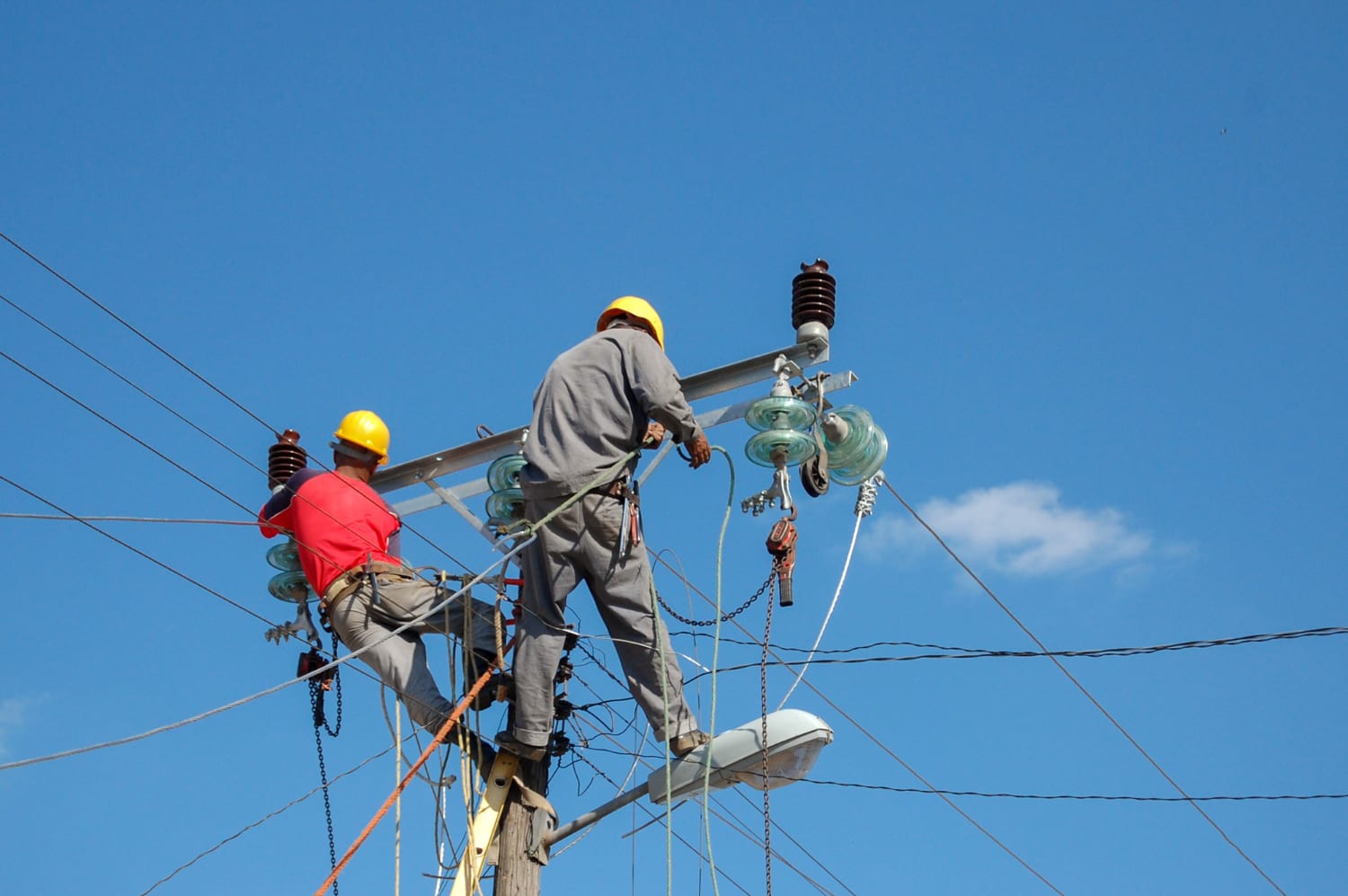
Safety at work is of utmost importance, especially for those who work in the electrical sector. Professional electricians face risks inherent in their daily work, and the proper use of Personal Protective Equipment (PPE) is crucial to guarantee a safe and prevent possible accidents . Here are some essential tips for electricians regarding the use of PPE.
1. Know and understand your PPE:
Before starting any work, familiarize yourself with the type of PPE required for specific task . Understand its function, how it should be used and when it needs to be replaced.
2. Wear safety clothing:
Safety clothing, such as flame-resistant and insulated coveralls, is essential to protect against potential arc flash and hazardous materials. Likewise, the Clothing must be comfortable and comply with safety regulations .
3. Protect your eyes and face:
The use of safety glasses and face shields is crucial to prevent eye injuries caused by particles, sparks or other electrical hazards.
4. Insulating gloves:
Wear appropriate insulating gloves to protect against electrical shock. Check its integrity before each use and replace them if they show signs of wear. Remember that there is a classification, according to the maximum tension they can withstand. The classes are the following:
- Class 00: up to 500 volts
- Class 0: up to 1,000 volts
- Class 1: up to 7,500 volts
- Class 2: up to 17,000 volts
- Class 3: up to 26,500 volts
5. Safety footwear:
Opt for shoes with non-slip and electricity-resistant soles. This will provide an additional layer of protection and will prevent possible injuries caused by electrical currents . Remember that all elements must comply with the corresponding standards.
6. Protective helmets:
In situations where there is risk of falling objects or impacts, the use of protective helmets is essential . Make sure they are properly adjusted and in good condition.
7. Safety Harness
If the task is to be executed in levels from 2 meters high With respect to the lower horizontal plane closest or superior to it, a fall prevention system must be used.
The harness is a device for securing the operator's body to an anchor point intended to stop falls at different levels and prevent severe damage.
The anchor point must be located at the same level as or above the user's waist. Always select anchors whose resistance is not less than 1,500 kg . Discard all those structures of doubtful resistance.
Always keep at least one lanyard connected to its useful anchor point for the duration of the operation at height. The mooring used must comply with regulations and have an energy absorption system.
Before starting the task, verify, through a checklist, the general condition of the harness, observing the most important points such as textile bands, seams, metal buckles, carabiners and most importantly, the fall absorber.
(Resolution 61/2023 of the Superintendence of Occupational Risks)
8. Keep your PPE in good condition:
Perform regular inspections of your equipment . Replace any damaged or worn items to ensure continued effectiveness.
9. Continuous training:
Participate in training programs on electrical safety and the correct use of PPE. Stay updated on the latest regulations and best practices.
10. Report Problems:
If you find any problems with your PPE, report it immediately. N or compromise your safety or that of your co-workers .
Remembering these tips and applying them in the work environment will significantly contribute to the safety and well-being of professional electricians. Prioritizing safety is not only an individual responsibility, but also a fundamental requirement for a workplace. efficient work and without incident .
PyP Electricidad — We connect energy and quality.