
Blog · · 3 min read
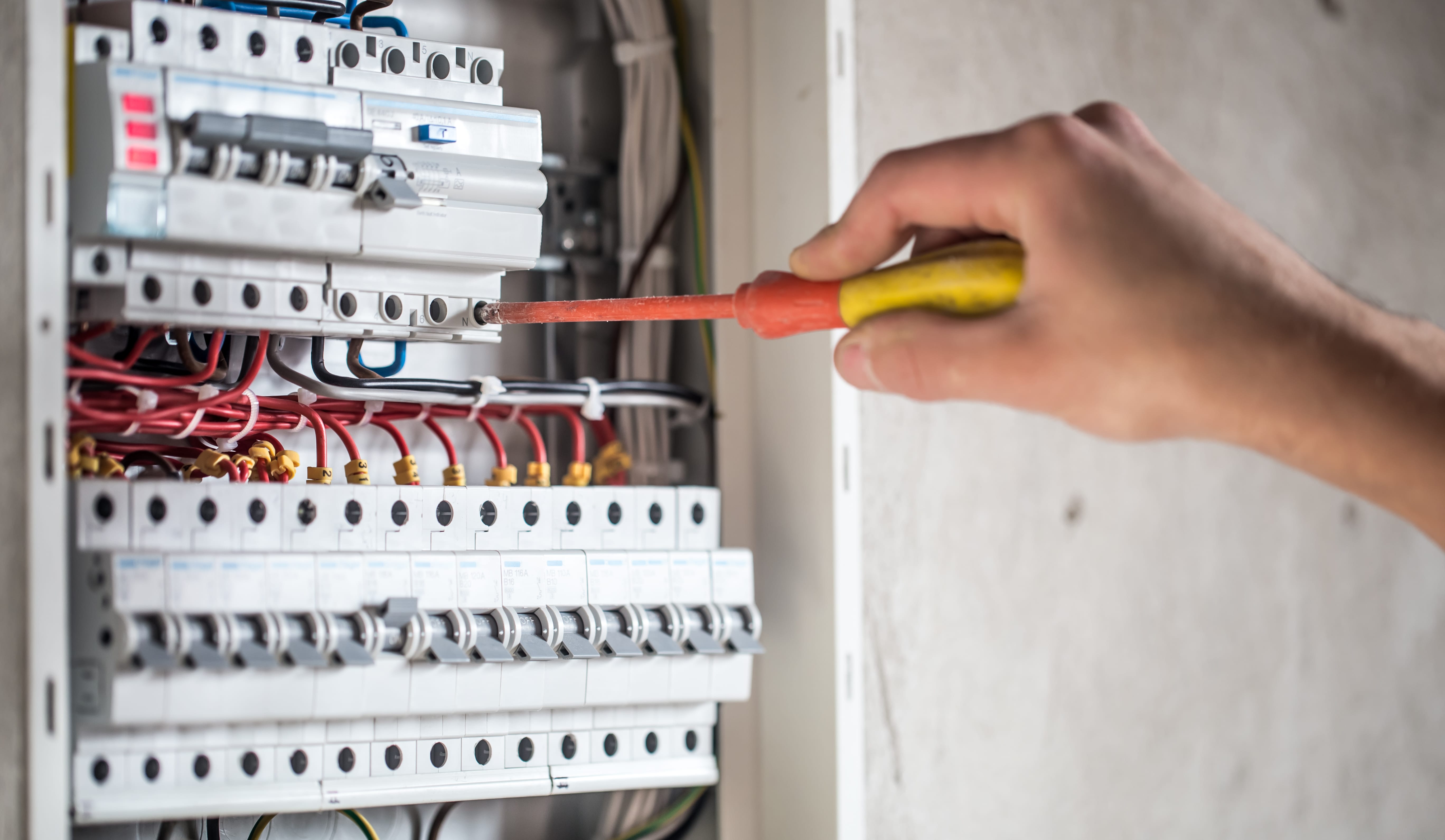
Image by Freepick
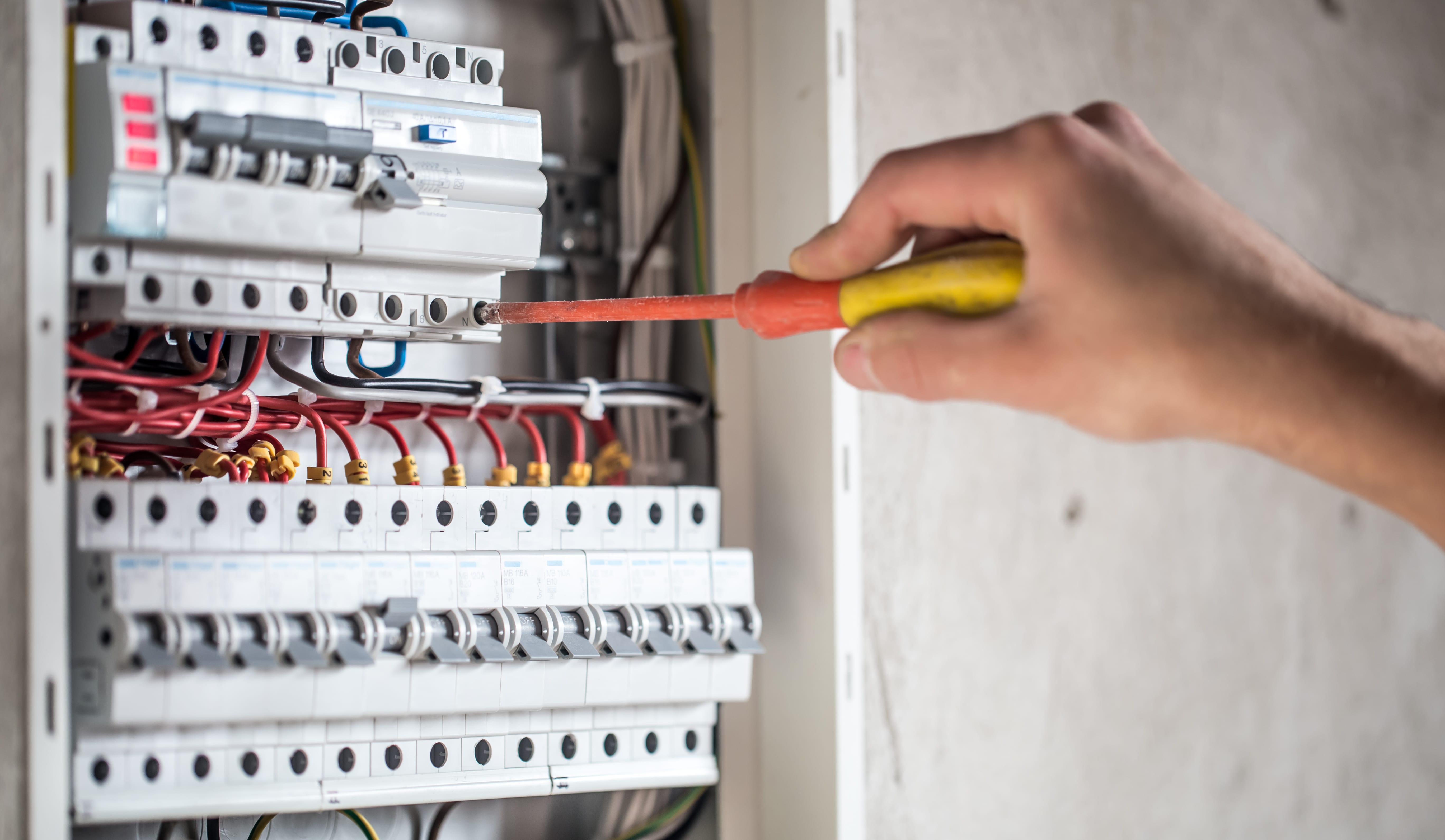
Making safe electrical connections is vital to guarantee the proper functioning of the installation in the home or in any building. Below we provide you with a brief step-by-step summary of how to make a safe electrical connection:
Important: Before starting any electrical work, ensure that the power supply is disconnected from the main panel. If you do not feel comfortable performing these steps, seek the help of a qualified professional. Safety comes first.
Materials and tools necessary to make safe electrical connections:
- Insulated screwdriver: Use an insulated screwdriver to avoid possible electrical shock. Make sure it is in good condition before use.
- Wire stripper: Use the wire stripper to remove approximately 1 cm of the insulating coating from the ends of the cables you are connecting. Adjust the tool so that it does not cut the internal conductors.
- Connection terminals suitable for wire gauge: Select terminals that suit the gauge of your cables. If necessary, follow the manufacturer's instructions to install them correctly. You can get the exact terminals for your project in our online store .
- Needle nose pliers: Use needle nose pliers to bend and adjust the wires as needed during the connection process.
- Insulating tape or shrink connectors: Use electrical tape or shrink connectors to insulate the connection and prevent short circuits. Roll the tape several times to ensure good protection.
- Multimeter (optional, but recommended to check connection): A multimeter is useful to check for voltage in the wires before you start and to make sure the connection is solid after you make it.
Steps to make general home electrical connections:
- Disconnecting power supply : Turn off the switch or disable the corresponding switch on the main board.
- Cable detection : Identify the cables you are going to connect. Make sure there is no current in them using a voltage tester, pole finder, or multimeter.
- Stripping the ends of the cables - Use the wire stripper to remove approximately 1cm of insulating coating from the ends of the cables you are connecting.
- Preparation of the terminals : If you are using connection terminals, install them on the stripped ends of the wires following the manufacturer's instructions.
- Cable connection : Connect the cables making sure they are tight. If you are using a screw connector, tighten it properly.
- Connection isolation - Use electrical tape or shrink connectors to insulate the connection and prevent short circuits or wire exposure.
- V verification with a multimeter (optional) - If you have access to a multimeter, check the connection to ensure there are no shorts and that the installation is solid.
- Reactivation of the power supply - Once you make sure everything is properly connected and insulated, turn the power back on.
Additional tips for a home electrical connection:
- Always follow local rules and regulations.
- If you are unsure, seek the help of an electrical professional.
- Do not overload the circuits and use quality materials.
- Maintain a clean and tidy work area.
- Remember, Safety is the most important thing when working with electricity . It is always advisable to consult a professional electrician for more complex tasks or if you have doubts about the safety of an electrical connection.
PyP Electricidad — We connect energy and quality.